
New
Vehicle
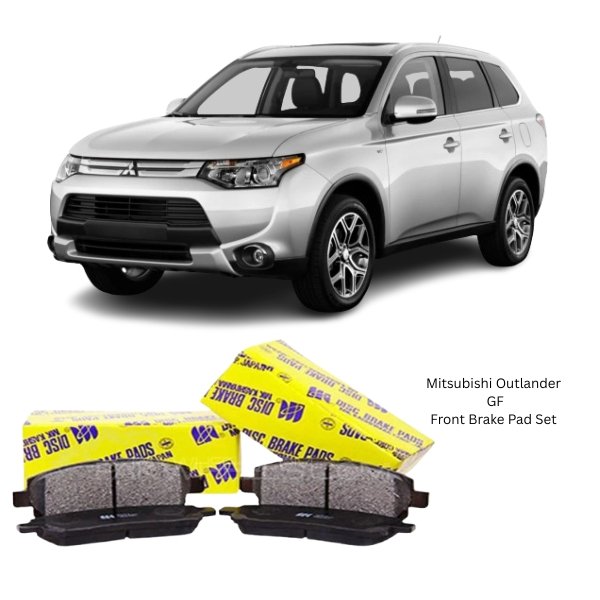
Mitsubishi Outlander GF Front Brake Pad Kit D6108
Verified Seller
KSh 3,700
Category
Vehicle
Sub Category
Vehicle Parts
Condition
New
Negotiable
Yes
Location
Nairobi
Get Mitsubishi Outlander GF Front Brake Pad Kit D6108 in Kenya The Front Brake Pad Kit is a vital component of the disc braking system designed to deliver safe, reliable, and consistent stopping power. Engineered for optimal performance under diverse driving conditions, this kit is essential for restoring braking efficiency, enhancing driving confidence, and ensuring vehicle safety. As the front brakes handle the majority of the braking force, maintaining their integrity with high-quality brake pads is critical. A complete kit typically includes more than just the pads—it may also feature hardware accessories, shims, and anti-rattle clips that ensure proper fitment and noise-free operation. Whether replacing worn components during routine maintenance or upgrading to superior materials, a front brake pad kit is a must-have for peak braking performance. Core Components of the Front Brake Pad Kit A front brake pad kit is engineered with multiple precision parts that work together to provide effective braking, quiet operation, and durability. Typical components include: Brake Pads Each kit includes a pair of brake pads for each front wheel. Pads are composed of a steel backing plate and a friction material layer that presses against the brake rotor to generate the necessary stopping force. Shims Multi-layered or rubber-coated metal shims are mounted to the back of the pads to absorb vibration and eliminate noise. Wear Indicators Mechanical tabs or electronic sensors notify the driver when the pad thickness has dropped to the minimum safe limit. Abutment Clips / Anti-Rattle Hardware These clips keep the pads firmly positioned within the caliper and prevent movement that could lead to uneven wear or noise. Lubrication Packets (in some kits) High-temperature brake grease is included for use on contact points between the pads and caliper to reduce friction and squealing. Friction Material Options The friction material is the most crucial aspect of any brake pad, determining stopping power, heat resistance, and longevity. Common types include: Ceramic Ceramic pads offer quiet operation, produce minimal brake dust, and resist fading. Ideal for everyday driving and low-wear applications. Semi-Metallic Composed of a mix of metals and synthetic materials, these pads provide high stopping power and heat dissipation, making them suitable for heavier loads and performance conditions. Low-Metallic NAO (Non-Asbestos Organic) These pads provide a good balance of noise control, brake feel, and dust output, suitable for moderate usage environments. Each material type is formulated for a specific performance profile, offering a choice depending on driving habits and environmental demands. Function and Importance in the Braking System The front brake pads are the primary source of stopping force in most vehicles due to the forward weight transfer that occurs during braking. The front brake pad kit serves the following critical functions: Convert Kinetic Energy to Thermal Energy As the pads press against the rotating disc (rotor), they create friction that slows and eventually stops the vehicle. Absorb and Dissipate Heat Quality pads are designed to handle intense heat without glazing or fading, ensuring safe and consistent braking. Preserve Rotor Surface Proper pad composition minimizes scoring and helps extend rotor life. Enable Safe, Predictable Stops Pads with stable friction levels contribute to shorter stopping distances and better control under emergency braking. Failure of the front brake pads can severely compromise braking performance, leading to safety hazards, rotor damage, and increased repair costs. Benefits of Using a Complete Front Brake Pad Kit Opting for a full front brake pad kit rather than replacing pads alone ensures a complete, well-balanced repair that restores factory-level braking performance. Restored Stopping Power New pads provide maximum contact and grip, improving deceleration and safety. Reduced Noise and Vibration Shims and anti-rattle hardware eliminate squealing and juddering during braking. Even Pad Wear New clips and hardware promote proper alignment, reducing the risk of premature wear. Extended Rotor Life Fresh pads with even pressure distribution help avoid rotor warping or grooves. Smooth Pedal Feel With new pads and correctly installed hardware, the brake pedal remains firm and responsive. Time-Efficient Installation Having all necessary components in one kit saves time and ensures compatibility during service. Symptoms of Worn or Failing Front Brake Pads Front brake pads wear out over time due to friction and heat. Recognizing the signs of wear early can prevent further damage: Squealing or Screeching Noise High-pitched sounds typically come from built-in wear indicators contacting the rotor. Grinding Noise This indicates the pad material is fully worn down, allowing metal-to-metal contact, which can damage the rotor. Vibration or Pulsation When Braking Uneven pad wear or contamination may cause the brakes to feel inconsistent. Increased Stopping Distance Worn pads require more pressure to slow the vehicle, affecting overall safety. Brake Warning Light Some systems alert the driver when pad thickness reaches a critical level. Visual Inspection Pads thinner than 3mm should be replaced immediately. Installation Overview Proper installation of the Front Brake Pad Kit is essential to maximize performance and safety. Here’s a general installation guide: Lift and Secure the Vehicle Use proper equipment to safely raise and support the vehicle. Remove the Wheels Expose the braking assembly by removing the front wheels. Remove the Caliper and Pads Detach the caliper and slide out the old pads. Hang the caliper securely without straining the brake line. Inspect the Rotors and Calipers Check for warping, scoring, or uneven wear. Resurface or replace the rotors if necessary. Clean the Hardware Contact Points Remove rust and debris from the caliper bracket using a wire brush. Install New Clips and Hardware Fit the new clips provided in the kit to ensure proper pad alignment. Apply Lubricant Use the supplied brake grease on caliper slides and pad backing plates (avoid the pad surface). Install New Brake Pads Position the new pads into the caliper bracket and reinstall the caliper. Reinstall the Wheels Torque lug nuts to specification. Pump the Brake Pedal Press the pedal several times before starting the vehicle to seat the pads. Perform a Brake Bed-In Procedure Follow the break-in process recommended for the pad material to ensure optimal performance and longevity. Maintenance Tips Check Pad Thickness Regularly Inspect during tire rotation or oil changes. Avoid Aggressive Braking Hard stops accelerate pad and rotor wear. Replace in Pairs Always replace both front pads together for balanced braking. Flush Brake Fluid as Needed Old or contaminated brake fluid affects hydraulic pressure and caliper function. Listen for Unusual Noises Brake squeal, clicking, or grinding should be inspected immediately. Follow us on Facebook for more parts.
| Category | Vehicle |
| Sub Category | Vehicle Parts |
| Condition | New |
| Negotiable | Yes |
| Location | Nairobi |